WHY MASS TIMBER IS EARNING A PLACE IN HEALTHCARE CONSTRUCTION
HEALTHY BUILDINGS FOR A HEALTHY PLANET:
Updated 01/20/26
The use of mass timber in commercial building projects continues to accelerate as owners and design teams seek low‑carbon, sustainable, and lightweight alternatives to traditional structural systems. Once most prevalent in Europe—still representing more than 60% of the global market—mass timber has become firmly established across North America. By the end of 2025, the U.S. surpassed 2,500 completed or in‑progress mass timber projects across multifamily, commercial, and institutional sectors, underscoring the material’s rapid adoption nationwide.
As we enter 2026, mass timber has moved beyond “emerging technology” status. It is increasingly viewed as a proven system that aligns performance, constructability, and sustainability—qualities that are especially relevant for healthcare environments, where operational excellence and human well‑being are inseparable.
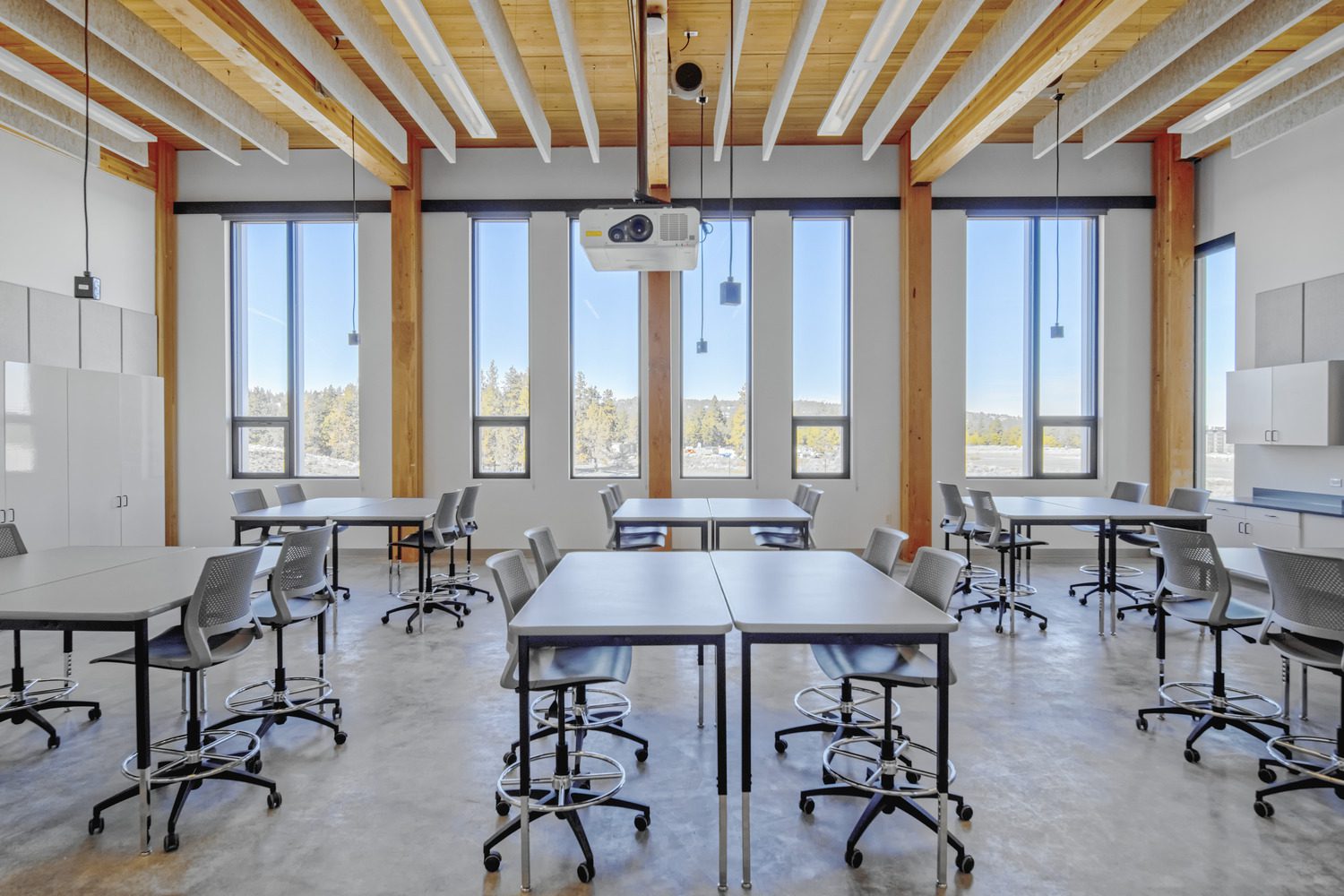
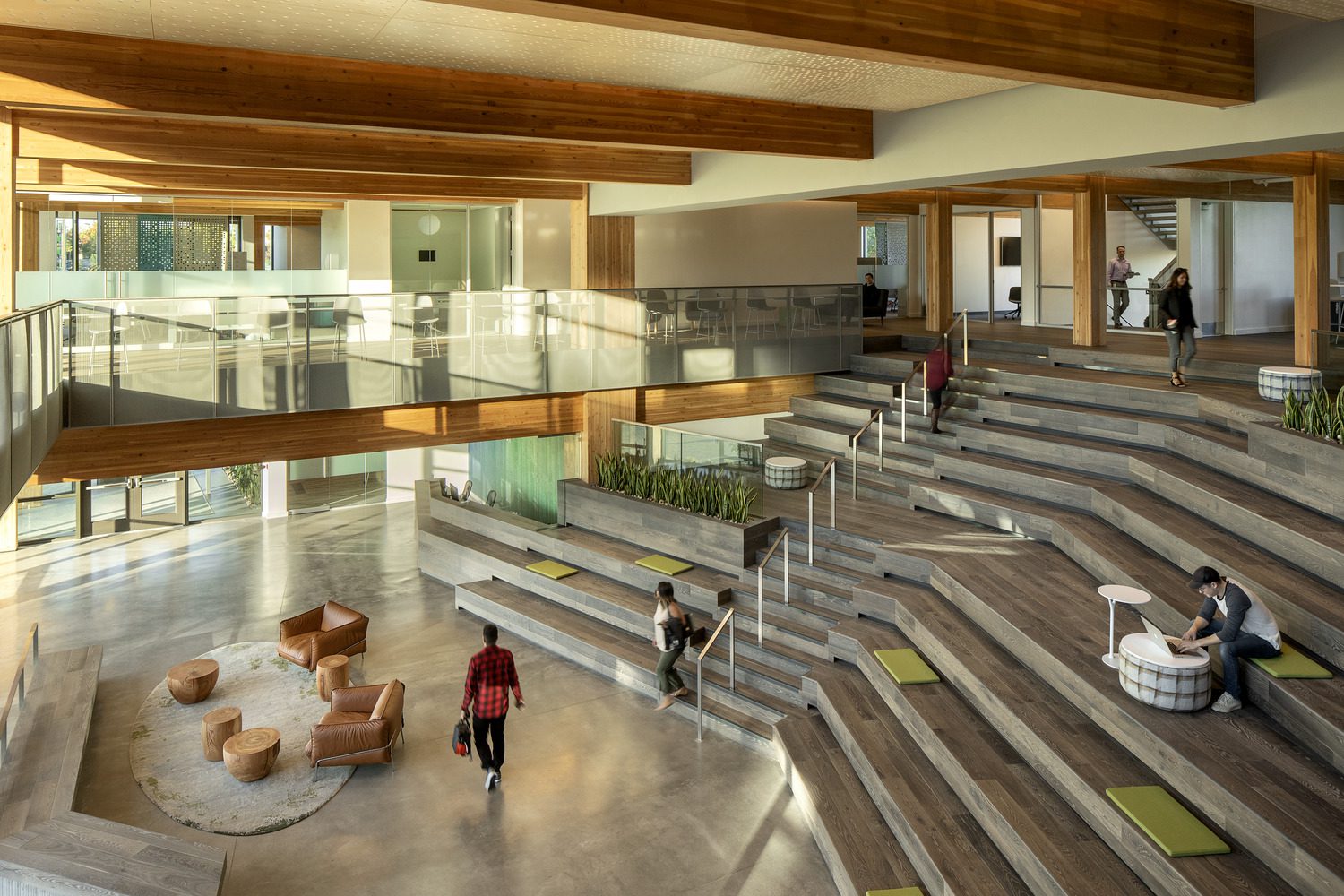
Mass timber resonates with designers, builders, and owners for both its human‑centered character and technical capability. Exposed elements create calm, welcoming spaces, and the underlying systems can meet or exceed the structural performance of concrete and steel. These qualities make it a strong option for projects that value reliable delivery and restorative environments.
While steel and cement manufacturing remain among the world’s largest sources of carbon emissions, a mass timber–framed building can function as a long‑term carbon sink. The carbon absorbed from the atmosphere while trees grow remains stored in the wood for the life of the building. As long as the structure stands, that carbon stays locked away.
“Conversations around sustainability in the building industry used to be focused on operational energy, the carbon emissions associated with a building’s use from heating and cooling, for example,” said Tanya Luthi, director of engineering at Timberlab. “That understanding has evolved to include the full life cycle of a building, including the embodied carbon of the materials used to construct the project. Fortunately, advancements in engineered wood products, such as the development of cross-laminated timber, have coincided with a strong and deepening commitment to sustainable forestry practices, allowing us to use mass timber responsibly at scale from an engineering and a sustainability perspective. Wood is the only major structural material that we can regrow.”
Reflecting these climate benefits, governments and municipalities across the U.S. and globally continue to advance policies that encourage mass timber construction. In New York City, this momentum has evolved beyond early pilots into the NYC Mass Timber Studio, led by the New York City Economic Development Corporation in partnership with the Department of Buildings, FDNY, and Newlab. As of 2025, the program has supported multiple cohorts of projects across all five boroughs—including large‑scale developments such as the 140,000‑square‑foot New York Climate Exchange on Governors Island and a 500‑unit mixed‑income residential project on Staten Island—advancing embodied‑carbon reduction goals while building regulatory clarity and local industry expertise
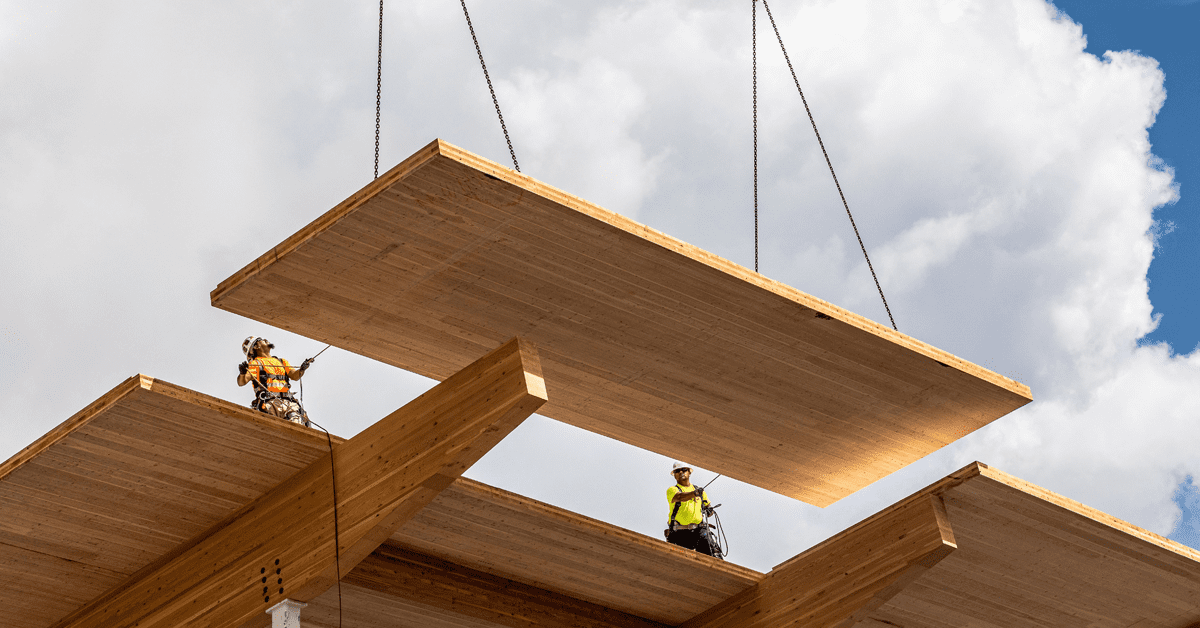
At the same time, many jurisdictions are revising building codes to permit the use of mass timber in ways that previously wouldn’t have been considered. These changes have enabled the construction of revolutionary new buildings like the Ascent in Wisconsin. At 25 stories and 284 feet tall, this residential tower in the heart of Milwaukee’s downtown is the world’s tallest hybrid mass timber building.
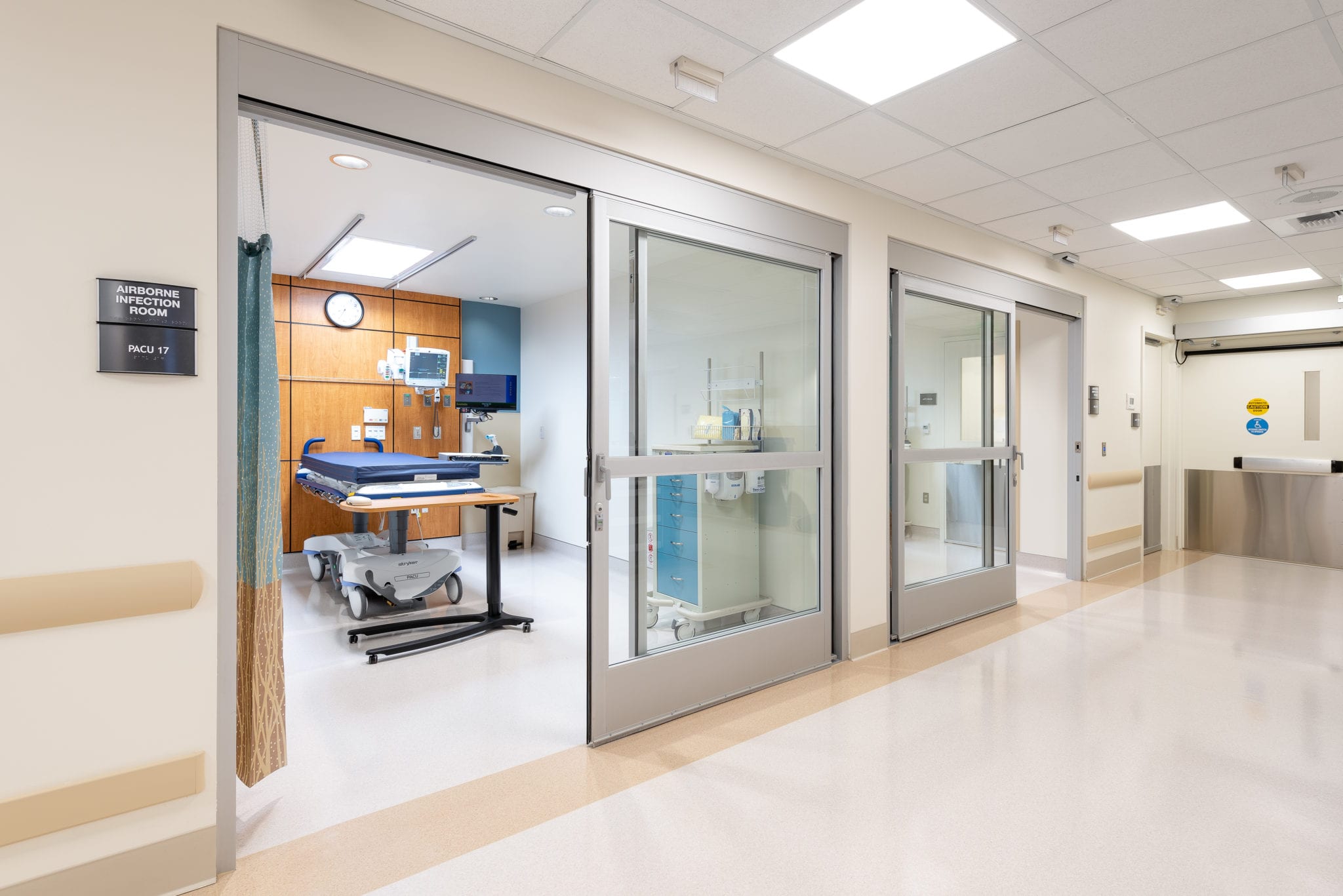
Despite the rapid growth in enthusiasm for mass timber construction across multiple industries, the healthcare sector has been slower to adopt this climate-friendly material. Concerns about medical space planning, infection control, acoustics and vibration suppression — among other issues — have inhibited the healthcare industry’s transition to mass timber structures.
However, this reluctance is fading as new projects — including an ambulatory care unit in Sechelt, British Columbia, and Northlake Commons, a mass‑timber life sciences laboratory and workspace building in Seattle delivered by Swinerton and Timberlab — demonstrate mass timber’s enormous potential to revitalize the construction of healthcare and healthcare‑adjacent facilities. In parallel, industry research such as the ZGF–Swinerton white paper, Mass Timber Hospital: The Future of Healthcare, is helping advance understanding of how mass timber can meet the rigorous performance requirements of clinical environments. Besides mass timber’s obvious environmental benefits, its use is also proven to contribute to patient and employee well‑being and bolster the brand reputation of its earliest adopters.
In the months and years to come, it will be increasingly important for leading organizations in the healthcare industry to demonstrate their commitment to the health of the planet and their communities by choosing the building material that best aligns with their mission — to improve human health.
WHY MASS TIMBER? THE GROWING FOCUS ON SUSTAINABILITY, SOURCING TRANSPARENCY AND ETHICAL BUILDING AND CONSTRUCTION
Among stakeholders in healthcare, as well as a broad array of other industries, there is growing awareness of the climate impact of constructing new buildings and facilities. World Green Building Council estimates that the built environment is responsible for 39% of global carbon emissions. Cement and steel manufacturing industries account for nearly 10% of the world’s ongoing carbon emissions, a source of carbon dioxide that’s difficult for societies to eliminate. On average, approximately 2 tons of carbon dioxide are emitted in manufacturing every ton of steel, though this can be reduced somewhat by incorporating scrap into recycled steel production.
In contrast, trees capture and store carbon as they grow — approximately 1 ton for every cubic meter of growth. By weight, trees are approximately 50% carbon. When trees are harvested, all the carbon that has been sequestered in the wood while they were growing remains there. Once that harvested wood is used in a building that carbon will stay within that structure for as long as the building stands. In essence, mass timber construction projects transfer sequestered carbon from forests to the built environment. Then, new trees are replanted in place of those harvested, capturing and storing yet more carbon.
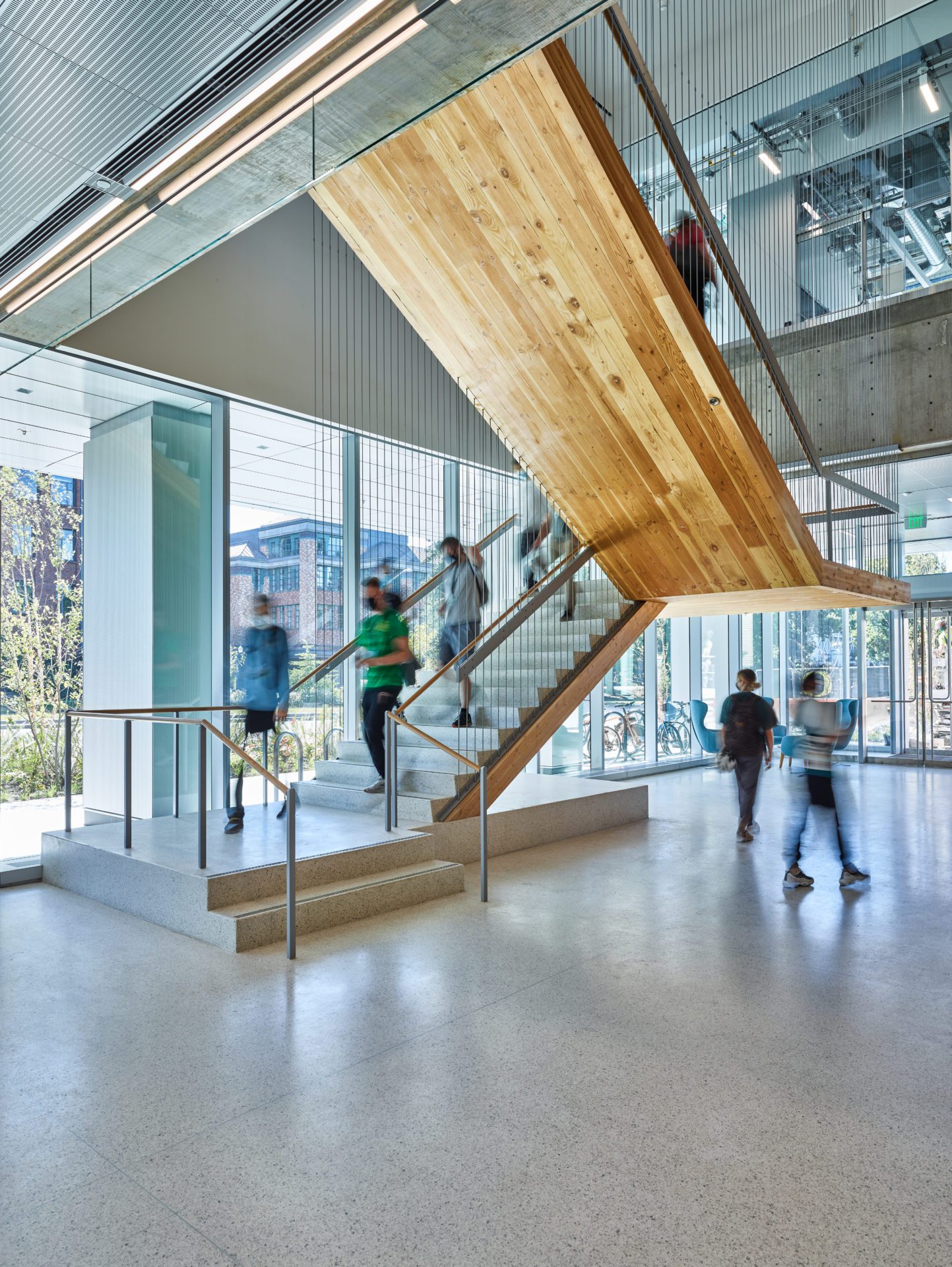
This fact accounts for the environmental promise of mass timber construction. Mass timber is a renewable resource. Plus, it’s possible to store embodied carbon within a building for the whole of the structure’s lifecycle. Research indicates that mass timber can cut embodied carbon by roughly 15–30% versus functionally equivalent steel structures at the product and construction stages, with higher savings possible depending on design and accounting for biogenic carbon.
But this is a rule-of-thumb estimate. The actual climate impact of any individual mass timber construction project will be influenced by the forestry, transportation and milling practices employed for the wood used in the project, as well as how the building is disassembled and its materials disposed of at the end of its life cycle.
For a truly sustainable building project, using locally sourced wood from sustainably managed forests is necessary. Not only do intact forest ecosystems sequester more carbon, but they also help protect biodiversity and wild animal habitats. It’s key to cultivate transparency and accurate tracking in the mass timber supply chain to ensure that building materials are sourced from responsibly managed forests.
For instance, sourcing wood for building projects in the Pacific Northwest from forests in the same region makes sense because it reduces the distance construction materials need to be transported, thereby reducing emissions. This practice also supports the region’s historically important timber economy and rural communities, which are integral to the timber supply chain.
In addition, it’s crucial to select timber from forests managed to optimize carbon outcomes for the site and species—recognizing that optimal rotation ages for carbon depend on productivity, risk, and policy assumptions rather than a single “one‑size‑fits‑all” age.
Timber producers who meet and go beyond state Forest Practices Act rules—by enhancing riparian buffers, road/culvert design, and water‑quality protections—are aligning with the core aims of climate‑smart forestry (mitigation, resilience, and sustainable production) and supporting watershed health.